


Latest Press Release
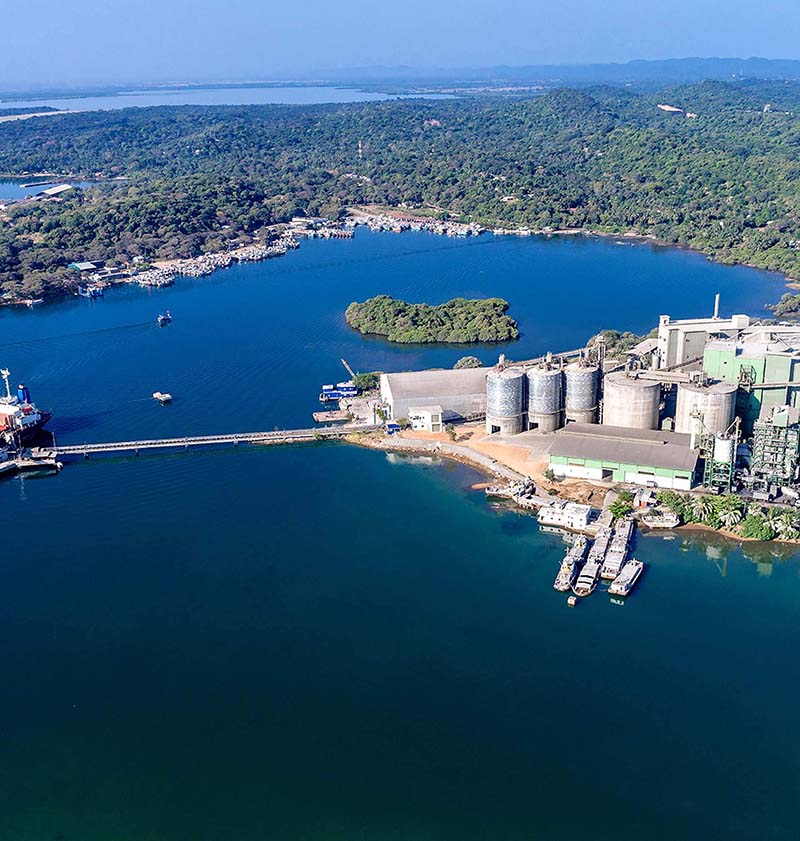
Tokyo Cement Posts Steady FY26/27 Q1 Performance Amid Gradual Market Recovery
Quarterly Financial Review Tokyo Cement Group (Tokyo Cement) reported a turnover of Rs. 15,836 million and a Profit After Tax (PAT) of Rs. 635 million for the 1st Quarter ended 30th June 2026, compared to a turnover of Rs. 12,544 million and a PAT of Rs. 668 million, in the same period last year. The …
Quarterly Financial Review
Tokyo Cement Group (Tokyo Cement) reported a turnover of Rs. 15,836 million and a Profit After Tax (PAT) of Rs. 635 million for the 1st Quarter ended 30th June 2026, compared to a turnover of Rs. 12,544 million and a PAT of Rs. 668 million, in the same period last year.
The increase in turnover reflects the gradual growth in volume driven by the commencement of new construction projects. However, profitability remained under pressure due to elevated raw material, insurance, and freight costs arising from the ongoing geopolitical tensions in the Middle East.
The Economic Environment
The Financial Year commenced amid heightened geopolitical uncertainty, with the Iran conflict posing significant pressure on the Sri Lankan economy through elevated fuel and energy prices, supply chain disruptions, and higher freight and insurance costs. Export income remained constrained by weaker global demand and rising shipping costs, while tourism earnings declined due to higher airfares and flight disruptions. The cumulative impact raised import costs, contributing to an average depreciation of approximately 7% in the Sri Lankan Rupee against the US Dollar during the period, while exerting pressure on the progress made in economic growth, fiscal performance, and reserve accumulation. Domestic inflation edged up slightly due to higher energy and food prices but was projected to moderate toward the target in the near term. Nevertheless, steady forex inflows from merchandise exports, port and logistics services, and non-Middle East remittances helped cushion the economy against external shocks.
Against this backdrop, the cement industry announced a revision to the Maximum Retail Price (MRP) of cement in mid-April, reflecting sustained increases in raw material, freight, insurance, and fuel costs. The industry had absorbed these cost escalations since the onset of the Iran conflict prior to implementing the price adjustment.
In May, the Central Bank increased the Overnight Policy Rate (OPR) by 100 basis points from 7.75% to 8.75%, with the intention of managing inflation expectations and impact of surging global petroleum costs. This led to a moderation of credit growth and import demand over the period. The combination of rising inflation and continued uncertainty contributed to more cautious investment decisions by both private developers and individual investors in the real estate and construction sectors. These pressures were compounded by supply constraints arising from shortages of petrochemical-based raw materials.
Cement consumption declined in April, reflecting the seasonal slowdown associated with the Sinhala and Tamil New Year holidays. However, the gradual resumption of regional infrastructure projects, particularly in the roads and highways sector, supported a recovery in demand for cement and concrete during the latter part of the quarter.
Outlook
Despite prevailing macroeconomic volatility, the construction sector outlook remains cautiously optimistic, supported by improving investment sentiment. Sectoral growth is expected to be driven by the commencement and continued execution of Government-funded infrastructure projects, including those carried forward from last year’s capital expenditure budget commitments. These project outlays are expected to be supplemented by allocations under the 2026 Budget. The rollout of these large-scale developments is expected to stimulate economic activity and strengthen construction demand.
Further momentum is anticipated from externally funded development initiatives, including the Asian Development Bank-supported Post-Ditwah Cyclone Renovation and Livelihood Assistance Project, which encompasses the rehabilitation of transport and irrigation infrastructure, housing reconstruction, and livelihood restoration. Government of India-funded affordable housing programmes benefiting over 1,550 families across the Northern, Southern and plantation regions, together with private sector investments under the Colombo Port City development, are expected to provide additional impetus to the sector. Collectively, these initiatives are anticipated to position the construction industry for a return to double-digit growth.
Nevertheless, significant downside risks remain to the country’s fiscal progress. Sustaining reform momentum and macroeconomic stability may become increasingly challenging amid geopolitical volatility linked to the Iran conflict, particularly through higher energy prices. Although higher fuel import costs and weaker tourism could widen the trade deficit, resilient workers’ remittances should support external stability. Rising fiscal pressures may constrain the Government’s ability to accelerate planned capital expenditure, potentially delaying the pace of anticipated recovery in the construction sector.
Tokyo Cement maintains a conservative short- to medium-term outlook, while remaining confident in the country’s economic fundamentals. With an enhanced production capacity of 4 Mn MT, which is yet to be fully utilised, the Group is well positioned to capitalise on future industry growth. Tokyo Cement will continue to exercise strict cost discipline, safeguard stakeholder interests, and play an active role in supporting the country’s construction-led economic recovery.-end-


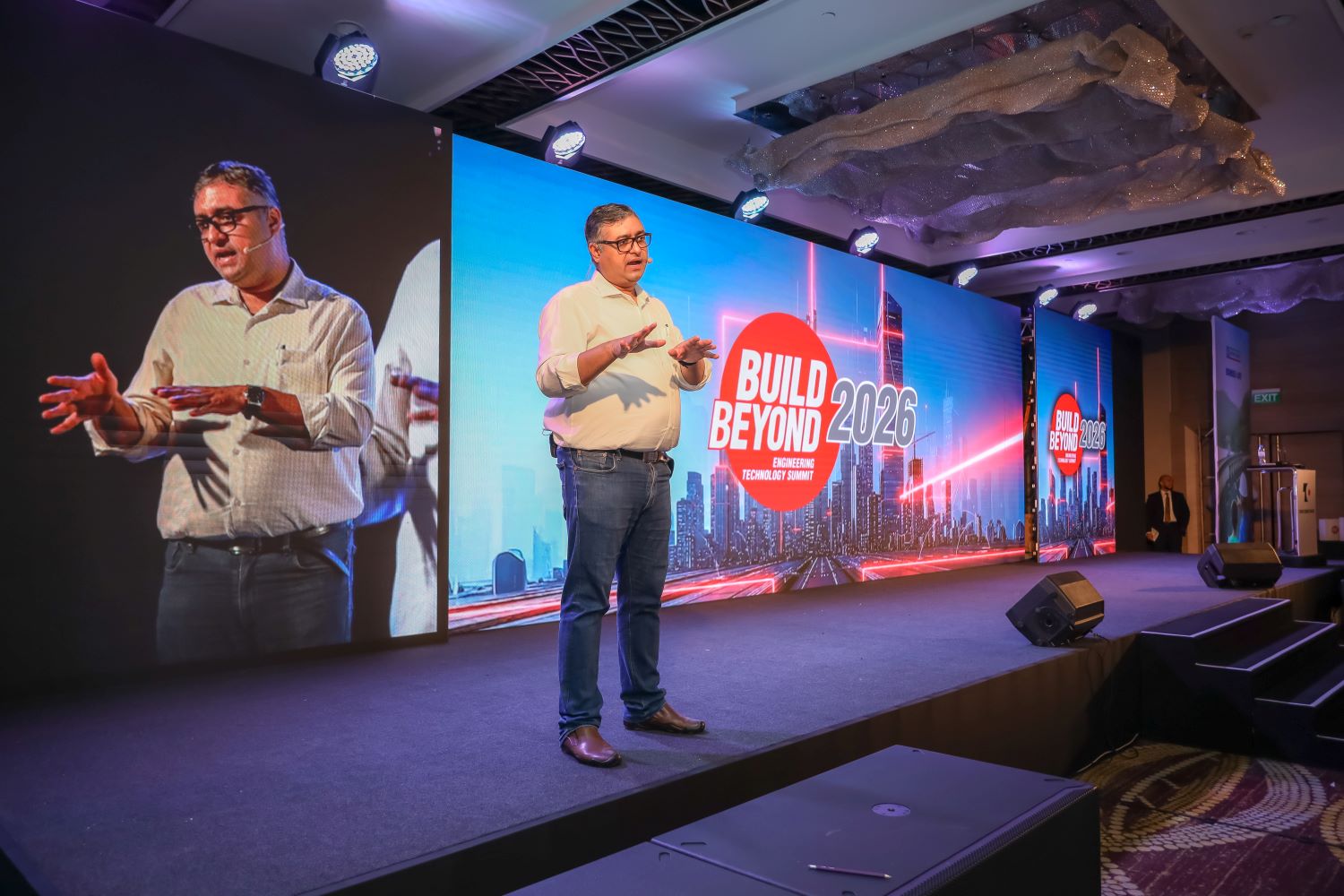
Tokyo Cement inspires Future-Ready Construction at BUILD BEYOND 2026 Technology Summit
Tokyo Cement hosted ‘Build Beyond 2026 Summit’, a premier knowledge-sharing conference that brought together leading academics, civil and structural engineering experts and professionals of the Sri Lankan construction industry. The event featured keynote addresses by renowned construction technology specialists, Professor Shashank Bishnoi from the Indian Institute of Technology (IIT) Delhi-Abu Dhabi, and Senior Professor Priyan …
Tokyo Cement hosted ‘Build Beyond 2026 Summit’, a premier knowledge-sharing conference that brought together leading academics, civil and structural engineering experts and professionals of the Sri Lankan construction industry. The event featured keynote addresses by renowned construction technology specialists, Professor Shashank Bishnoi from the Indian Institute of Technology (IIT) Delhi-Abu Dhabi, and Senior Professor Priyan Mendis from the University of Melbourne.
This marked the second edition of the Build Beyond Engineering Technology Summit by the Tokyo Cement Group, designed to foster collaboration between academia and industry while highlighting global trends, innovations, and emerging technologies in cement and concrete.
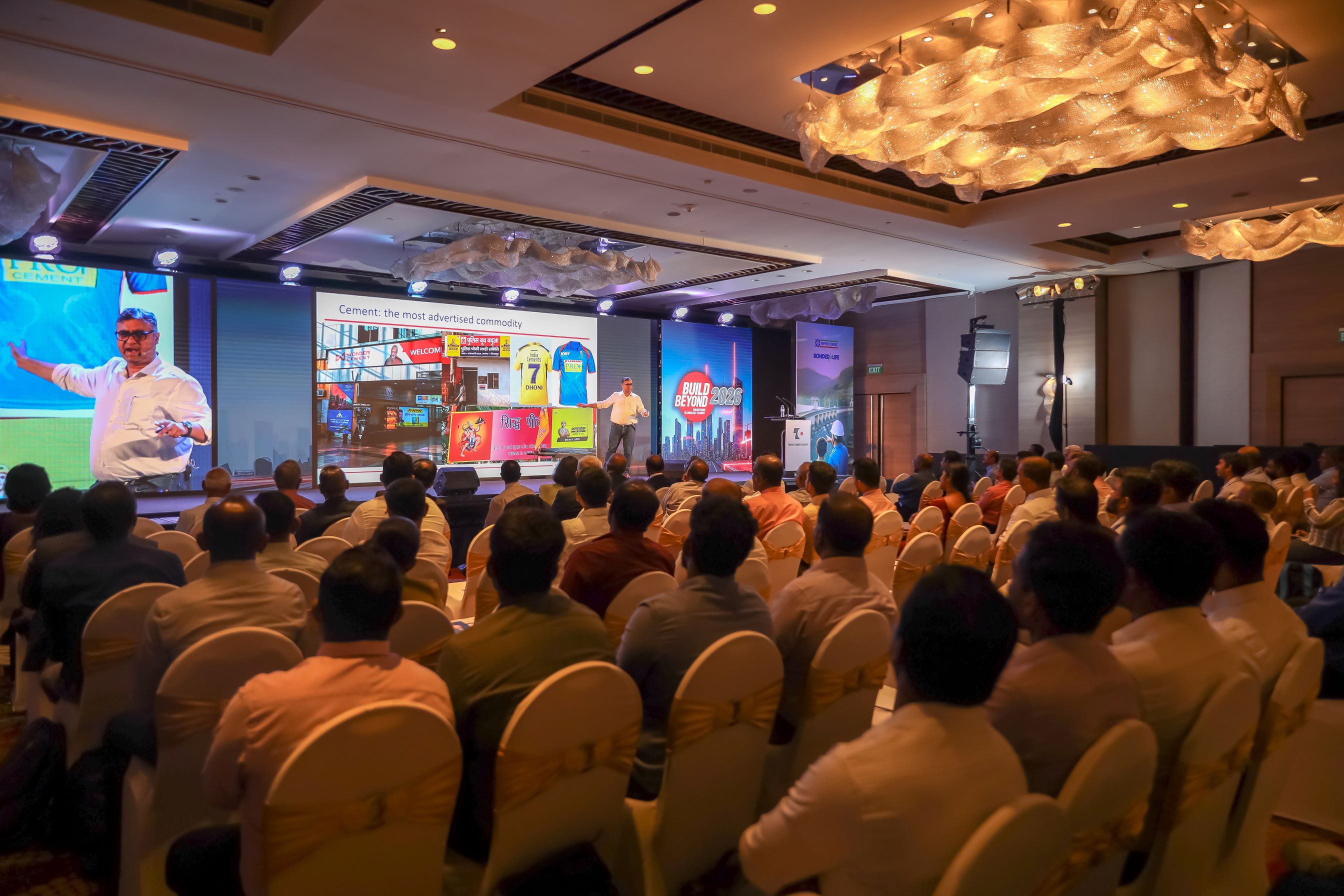
This year’s discussions focused on advancements in material science that are driving sustainable and cost-efficient construction practices. Professor Shashank Bishnoi, from the Department of Civil Engineering – IIT Delhi, and Vice Provost of IIT Delhi-Abu Dhabi, delivered two keynote presentations on low-carbon construction technologies. His first session, “Development and Use of Low Carbon Cements,” explored his work on Limestone Calcined Clay Cement (LC3) and the development of the LC3 standard adopted by the Bureau of Indian Standards. His second presentation, “Design and Application of Low Carbon Concretes,” addressed sustainable concrete solutions in relation to the Sri Lankan construction sector.
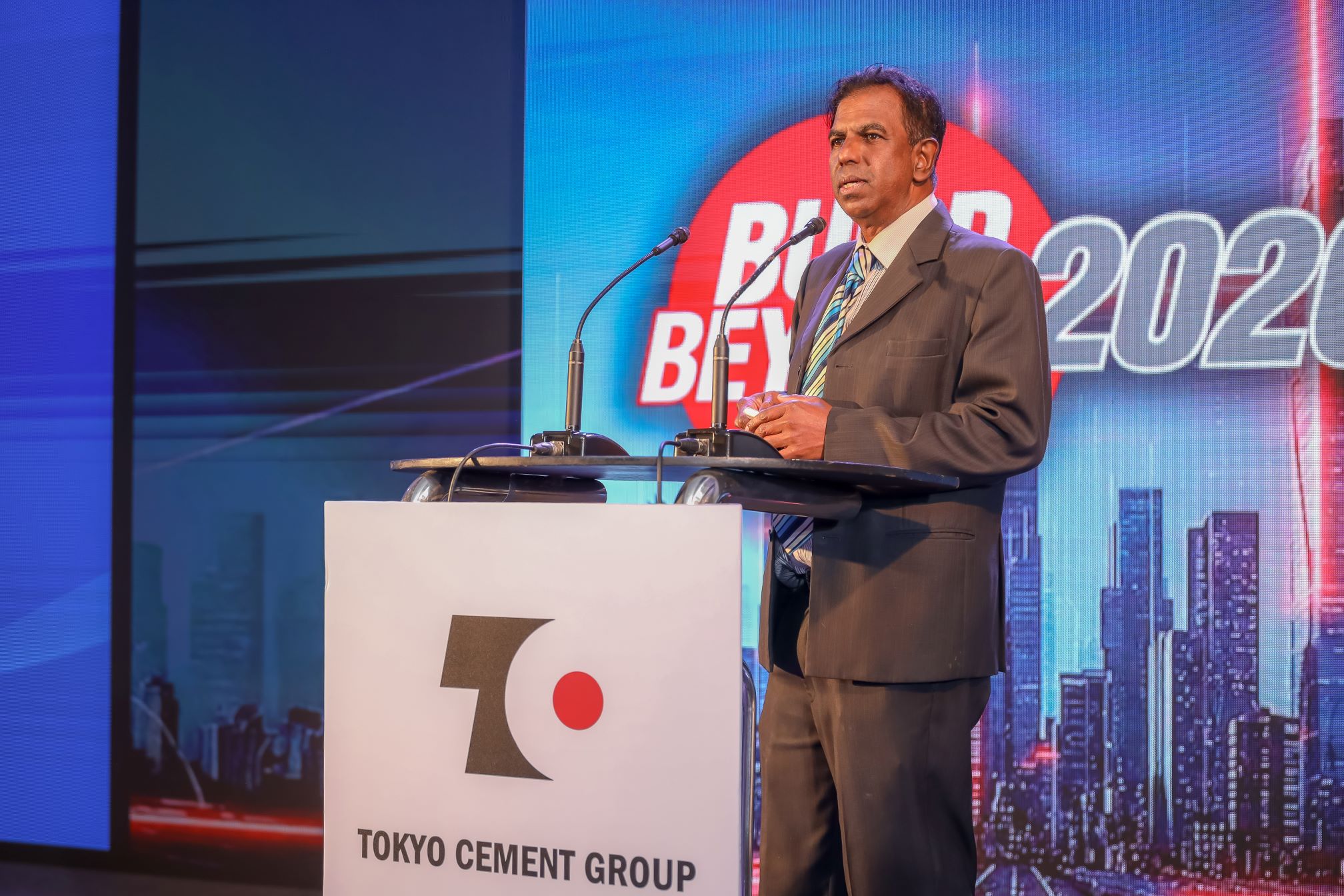
Senior Professor Priyan Mendis from the University of Melbourne, speaking at the ‘Build Beyond 2026 Summit’
Senior Professor Priyan Mendis of the University of Melbourne delivered his keynote on “Net Zero: Materials to Novel Structural Applications.” He highlighted the role of high-performance concrete in improving durability, strength, and resistance to environmental stress in modern high-rise and large-scale structures. Drawing from international case studies, and his experience in serving several Australian and international standards committees related to concrete structures and structural loading, Professor Mendis shared insights from his involvement in the construction of iconic projects including the Burj Khalifa, Merdeka 118, Eureka Tower, and the Lotus Tower.
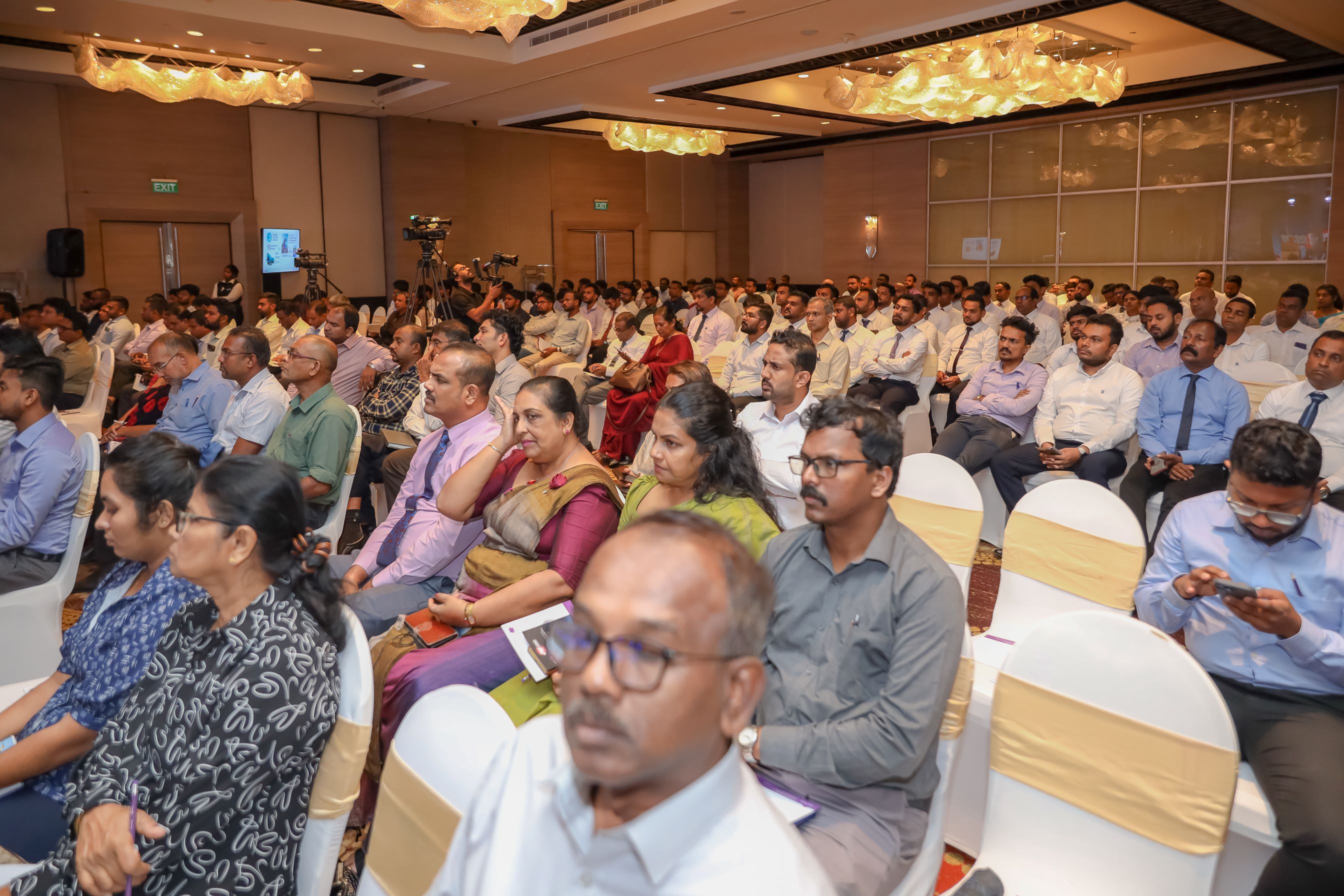
The event drew participation from state-sector authorities, research institutions, academia, engineering students, and public and private sector organizations, creating a dynamic platform for engagement across the construction industry. A key feature of the summit was a high-level panel discussion on “Building a Resilient and Sustainable Construction Future,” featuring several distinguished industry leaders.

The panel discussion at the Build Beyond 2026 Summit featuring Eng. Ananda Senarath, Eng. Nissanka Wijerathne, Eng. Shiromal Fernando, and Dr. Rohan Karunaratne, moderated by Professor Kushan Wijesundara
The panel included Eng. Nissanka Wijerathne, the Secretary General/CEO of the Chamber of Construction Industry Sri Lanka (CCI), Founder and Deputy Chairman of Civil & Structural Engineering Consultants (Pvt.) Ltd.; Eng. Shiromal Fernando, the Chairman of CTBUH Sri Lanka and Vice President of the Green Building Council Sri Lanka, Adjunct Senior Lecturer at the General Sir John Kotelawala Defense University and visiting lecturer at the University of Moratuwa; Eng. Ananda Senarath, Fellow and Past President of the Society of Structural Engineers Sri Lanka (SSE-SL) and Council Member of the Association of Consulting Engineers Sri Lanka; and Dr. Rohan Karunaratne, President of the Ceylon Institute of Builders (CIOB) and the South Asian Lean Construction Association. The session was moderated by Professor Kushan Wijesundara, Head of the Department of Civil Engineering, Faculty of Engineering, University of Peradeniya.
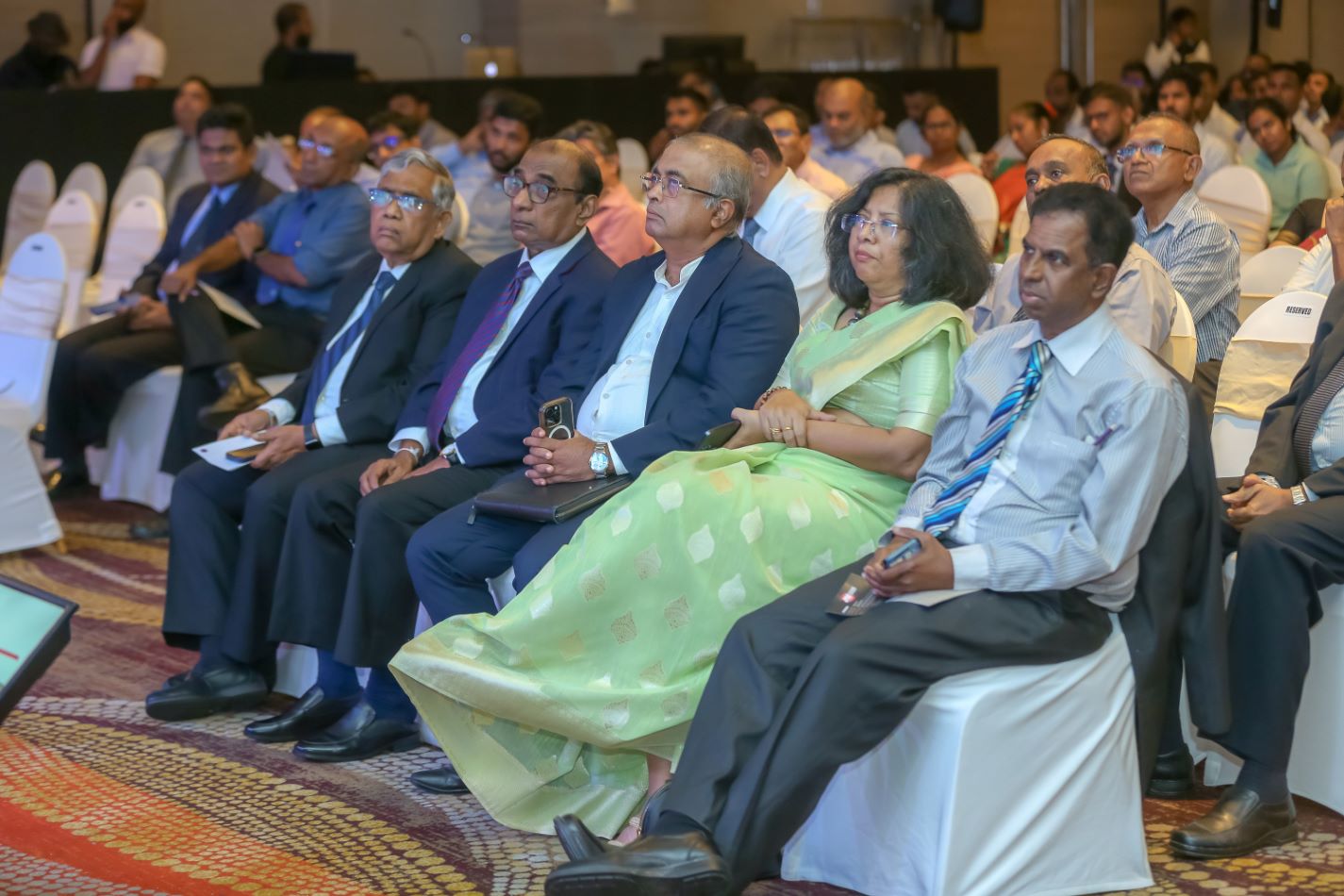
Guests representing the academia, industry experts, and professionals from Sri Lanka’s civil and structural engineering sectors at the Build Beyond 2026 Summit
Representing the Tokyo Cement Group, Dr. M.G.M.U. Ismail, Director R&D, and Mr. Praveen Gnanam, Director Innovations, presented the company’s latest advancements in cement and concrete technologies, reinforcing its focus on sustainable and innovative construction solutions.
The summit reaffirmed Tokyo Cement Group’s commitment to strengthening the local construction industry through world-class knowledge-sharing initiatives and access to global expertise. As Sri Lanka’s largest manufacturer of cement, concrete, and cement-based innovative products, Tokyo Cement Group, has cemented its position as the leading partner in Nation-building with an unwavering focus on quality, innovation, and sustainability.
—
Photo:
Professor Shashank Bishnoi from the Indian Institute of Technology Delhi-Abu Dhabi, delivering the keynote speech at the ‘Build Beyond 2026 Summit’


Tokyo Cement Marks World Environment Day with 100,000 Mangroves for a Greener Sri Lanka
The Tokyo Cement Mangrove Conservation Project has reached a significant milestone with the planting of 100,000 mangrove saplings along Sri Lanka’s coastline, marking a meaningful contribution on World Environment Day. This achievement reflects the long-standing collaboration between Tokyo Cement, the Sri Lanka Navy, local fishing communities, and likeminded conservation groups. The Tokyo Cement mangrove restoration …
The Tokyo Cement Mangrove Conservation Project has reached a significant milestone with the planting of 100,000 mangrove saplings along Sri Lanka’s coastline, marking a meaningful contribution on World Environment Day. This achievement reflects the long-standing collaboration between Tokyo Cement, the Sri Lanka Navy, local fishing communities, and likeminded conservation groups.
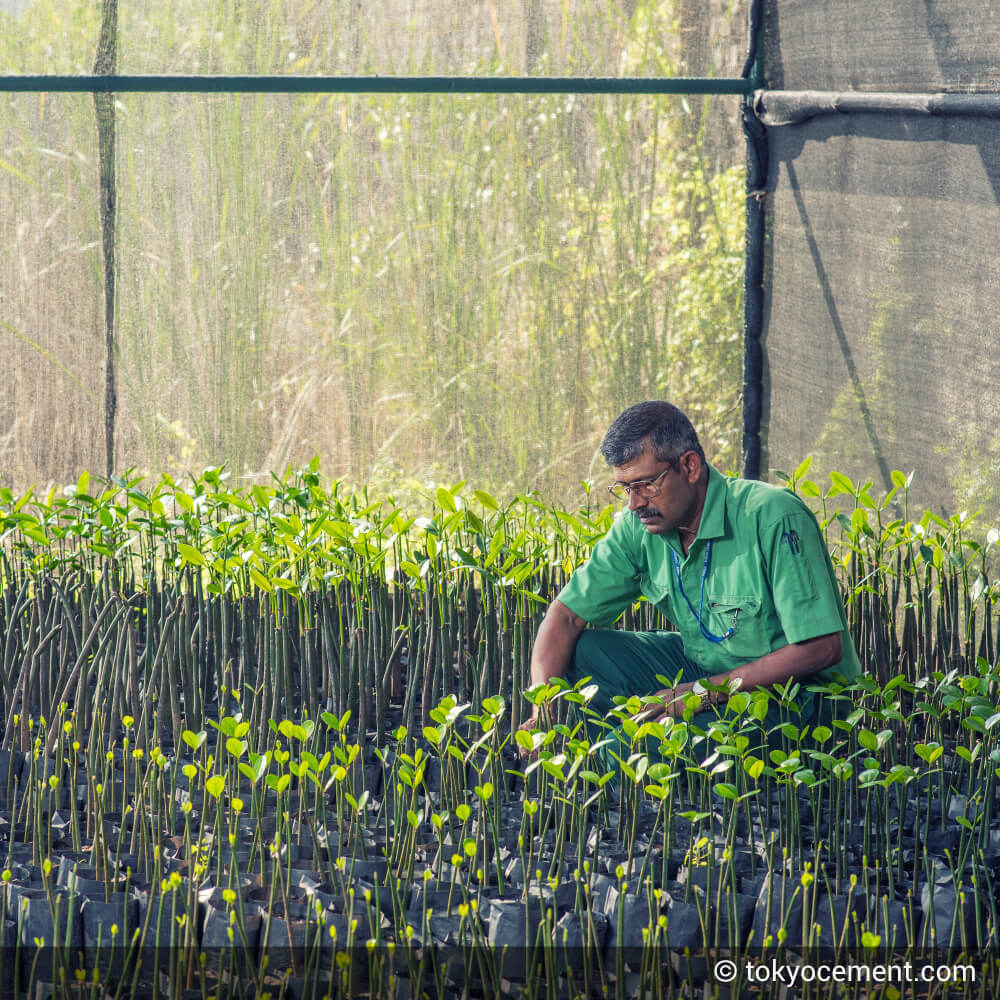
The Tokyo Cement mangrove restoration initiative began in 2012 with the establishment of a mangrove nursery at the company’s factory premises in China Bay, Trincomalee. Its initial objective was to restore mangrove forests in the surrounding coastal belt that had been cleared during the war. Guided by conservation experts, the first phase focused on a 20-acre site adjoining the Tokyo Eastern Cement Factory, where over 17,000 saplings were planted with the participation of factory staff, the Navy, and local fishing community.
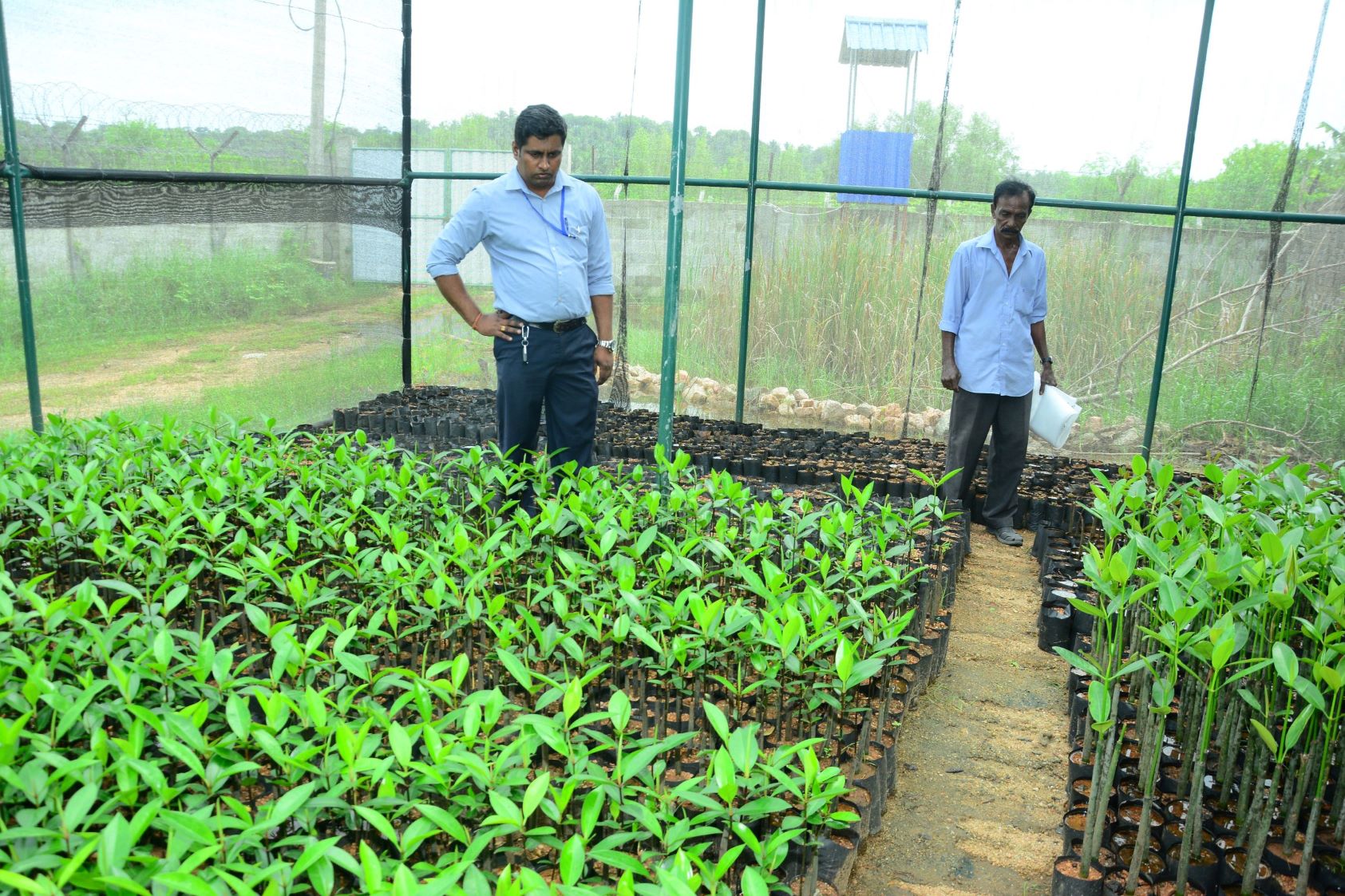
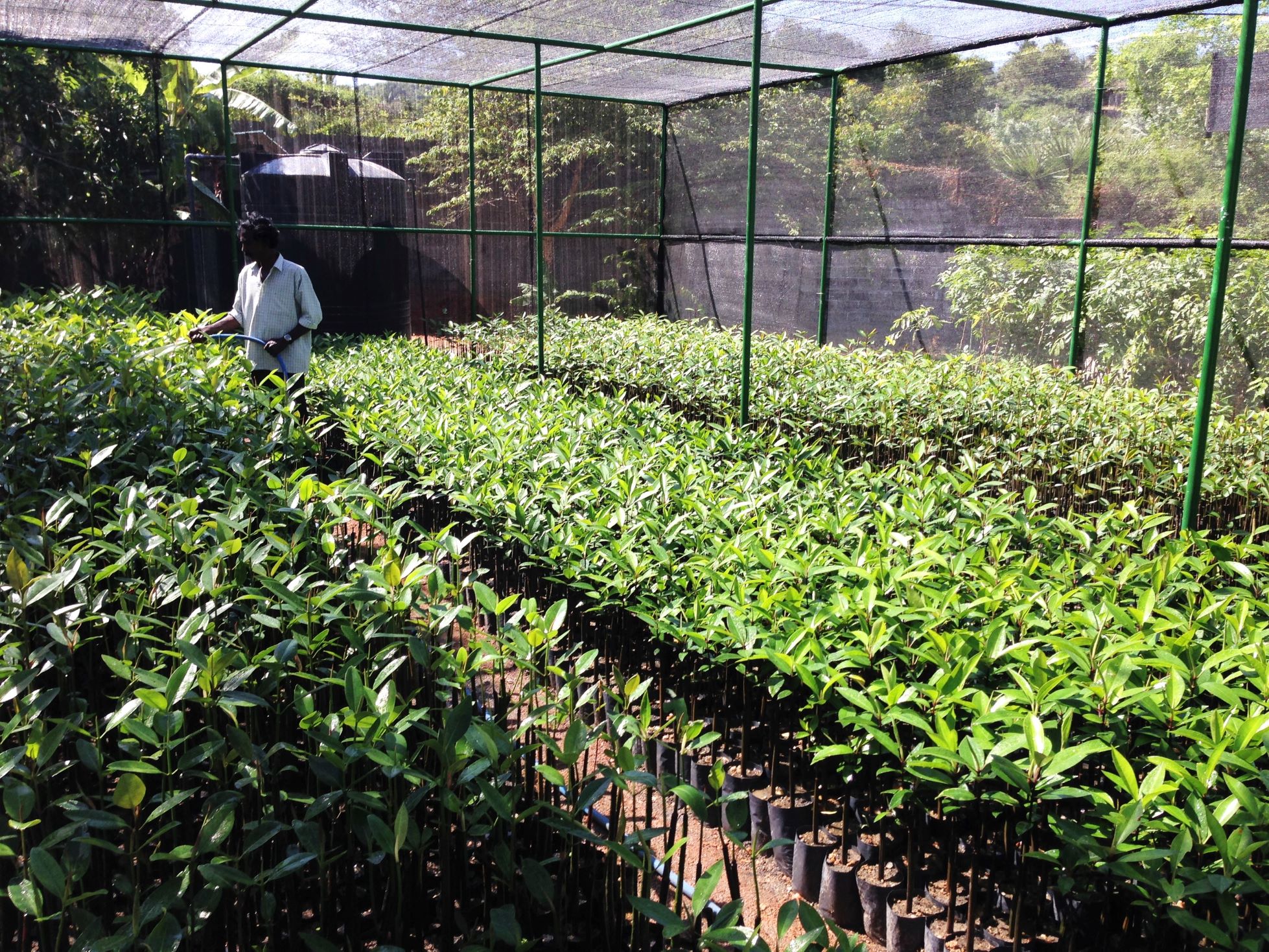
The Mangrove Nursery at the Tokyo Cement Factory premises houses 10,000 saplings at a given time
Over the years, the project has gradually expanded its reach and impact along Sri Lanka’s northeastern coastline. Today, the nursery produces approximately 7,500 saplings annually across eight native species. The Sri Lanka Navy has remained a key partner, helping extend restoration efforts to the eastern, northern, and northwestern coastal regions.
Mangrove ecosystems play a vital role in coastal livelihoods supporting fisheries, tourism, and biodiversity. They play a critical role in climate resilience by protecting shorelines from erosion, storm surges, and flooding. However, these ecosystems face increasing threats from development pressures and illegal encroachment, making their conservation an important environmental priority for island nations like Sri Lanka.
Commenting on the initiative, Salinda Kandapola, Corporate Manager – Sustainability of the Tokyo Cement Group, noted that raising awareness about the ecological importance of mangroves is essential to sustaining restoration efforts. He added that the planting of over 100,000 mangroves represents a significant contribution toward protecting Sri Lanka’s coastline, biodiversity, and climate resilience.


Sri Lanka Navy continues mangrove restoration efforts across the Northern Peninsula
Mangroves are unique ecosystems that thrive in intertidal zones where freshwater and seawater mix. Their extensive root systems stabilize coastlines by trapping sediments and reducing the impact of waves, while creating habitats for a wide variety of plant and animal species.
The protective value of mangroves has been demonstrated in areas affected by tsunamis, coastal erosion, and flooding, where healthy mangrove belts have helped reduce damage to communities and infrastructure. Mangrove forests also act as natural windbreaks and contribute to regulating local environmental conditions.
These ecosystems serve as important breeding and nursery grounds for many fish species. Their dense root networks provide shelter from predators and a rich source of nutrients. Mangroves are choice nesting grounds for hundreds of migratory bird species, reptiles, amphibians, mammals, bees, and butterflies, making them critical reservoirs of biodiversity.
The Mangrove Reforestation Programme is one of several environmental conservation initiatives undertaken by Tokyo Cement Group. The company also supports coral reef rehabilitation projects in partnership with the Sri Lanka Navy and marine conservation organizations, contributing to the restoration and protection of Sri Lanka’s coastal ecosystems. The company’s commitment to social responsibility breathes life through initiatives such as this, by which they successfully integrate social welfare and environmental conservation into its corporate DNA as part of their continuous mission to enrich the country, its people and the environment.~


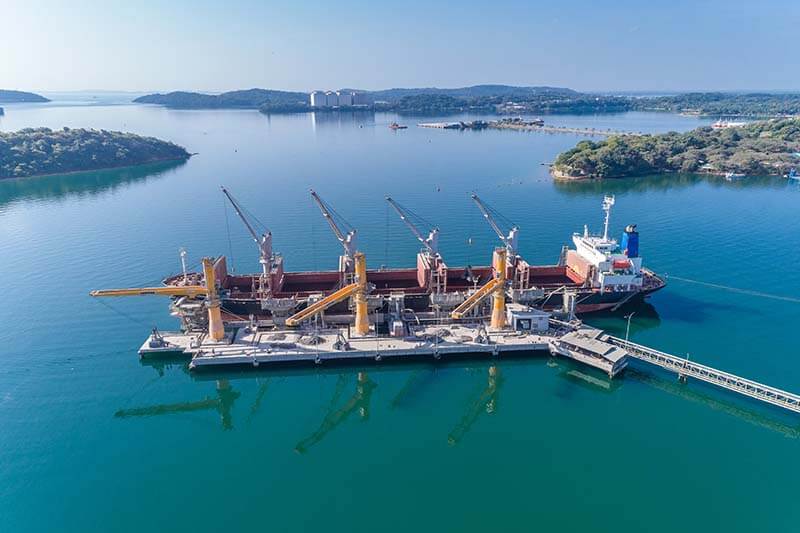
Tokyo Cement posts strong FY2025/26 Q4 performance amidst intense cost pressures
Q4 Financial Review Tokyo Cement Group (Tokyo Cement) reported a turnover of Rs. 17,623 million for the 4th Quarter ending 31st March 2026, compared to Rs. 12,960 million recorded in the corresponding quarter of the previous year, reflecting a 36% growth in turnover. The Group reported a Profit After Tax (PAT) of Rs. 577 million …
Q4 Financial Review
Tokyo Cement Group (Tokyo Cement) reported a turnover of Rs. 17,623 million for the 4th Quarter ending 31st March 2026, compared to Rs. 12,960 million recorded in the corresponding quarter of the previous year, reflecting a 36% growth in turnover.
The Group reported a Profit After Tax (PAT) of Rs. 577 million for the quarter, compared to Rs. 664 million recorded in the same period last year. Profitability during the quarter was impacted by depreciating currency and rising material costs, as a result of the geopolitical disruptions affecting global trade flows.
FY 2025/26 Financial Review
For the Financial Year ending 31st March 2026, the Group reported a turnover of Rs. 61,011 million, compared to Rs. 50,096 million recorded in the previous year, representing a 22% growth in turnover. During the Financial Year, the Group recorded a 28% growth in cement sales volumes, significantly outperforming the overall industry growth of 19%, further strengthening its position as the market leader.
The Group reported a PAT of Rs. 2,580 million for the year, compared to Rs. 3,459 million recorded in the previous Financial Year. Profitability was impacted by the Group absorbing a substantial portion of cost escalations in order to minimise price volatility for end consumers and safeguard market share in an intensely competitive environment. Furthermore, capitalization of the capacity expansion projects and the acquisition of a vessel for coastal shipments increased Depreciation and Financial Expenses.
The Economic Environment
The resumption of previously stalled government-funded infrastructure and private-sector construction projects drove an increase in demand for cement and concrete through the Financial Year. This demand momentum was further compounded upon by the cyclical increase in construction activities during the January-March period and the post-Ditwah rebuilding efforts. Consequently, national cement consumption recorded a year-on-year increase of 19% to 5.62 Mn MT during the Financial Year.
Whilst the encouraging financing environment and stable material prices continued to support sector growth, persistent challenges in sourcing skilled and unskilled labour remained one of the most critical constraints faced by the industry.
Macroeconomic conditions over the course of the Financial Year remained relatively resilient, supported by strong fiscal performance, rising remittance and foreign exchange inflows, subdued inflation, and robust private sector-led growth. However, escalating geopolitical tensions disrupted raw material imports and increased costs in the last quarter, leading to price increases across sectors. As a result of the economic shock, the Sri Lanka Purchasing Managers’ Index (PMI – Construction) recorded the highest (January – 75) and lowest (March – 57) indices since April 2025.
The Rupee which appreciated against the USD by 1.6% and 1.9% in Q1 and Q2 respectively, started to depreciate by 1.1% in Q3 and 6.0% in Q4 of FY2025/26. The risk of eroding fiscal buffers continued on to the Q1 of FY2026/27, where the Rupee depreciated a further 1.7% against the USD. During the quarter, fuel prices were raised by 38%, driving up operations and distribution costs across industries. Deployment of the new vessel for coastal shipping helped improve distribution efficiency from Trincomalee to the rest of the country, while also reducing exposure to fuel shortages and transport delays.
Outlook
External shocks continue to pose a significant risk to macroeconomic stability, with constrained export prospects, potential disruptions to foreign remittance inflows, and the resulting weaker purchasing power moderating economic activity. Elevated energy prices, currency depreciation, and disruptions to trade flows, tourism, freight movement, and foreign exchange markets will continue to weigh negatively on economic activity and investor sentiment.
The local value-adding manufacturing sector commenced the Financial Year 2026/27 against a backdrop of rising fuel, energy, raw material, and freight costs, resulting in significant margin pressures in the short-term. In response, companies will be compelled to adopt prudent pricing adjustments to sustain profitability while safeguarding market share within a highly competitive and price-sensitive environment. Accordingly, earnings are expected to remain subdued in the short- to medium-term as businesses may prioritise volume growth.
The Group anticipates weaker demand during the first Quarter of the new Financial Year due to adverse weather conditions, cautious investor sentiment, and broad-based increases in material prices deployed by both local manufacturers and importers. Whilst economic uncertainty may impede the commencement of new investments, ongoing projects are expected to proceed with relatively limited disruption.
Nevertheless, the recent appointment of local contractors for the Rambukkana-Galagedara section of Phase II of the Central Expressway is expected to contribute positively to sector growth, whilst the timely commencement of other large-scale infrastructure projects proposed under the 2026 Budget is anticipated to further reinforce construction demand in the months ahead. In addition, the acceleration of post-cyclone reconstruction of housing, transport infrastructure, schools, and other critical public assets is expected to sustain construction sector activity during the remainder of the calendar year.
Tokyo Cement maintains a cautiously optimistic medium-term outlook and remains confident in the country’s economic fundamentals. The Group’s investments in capacity enhancements positions it to capture the anticipated growth in demand arising from renewed development activity. Continuing its disciplined cost management approach, Tokyo Cement Group remains committed to safeguarding stakeholder value and playing an active role in supporting the nation’s economic resurgence. —


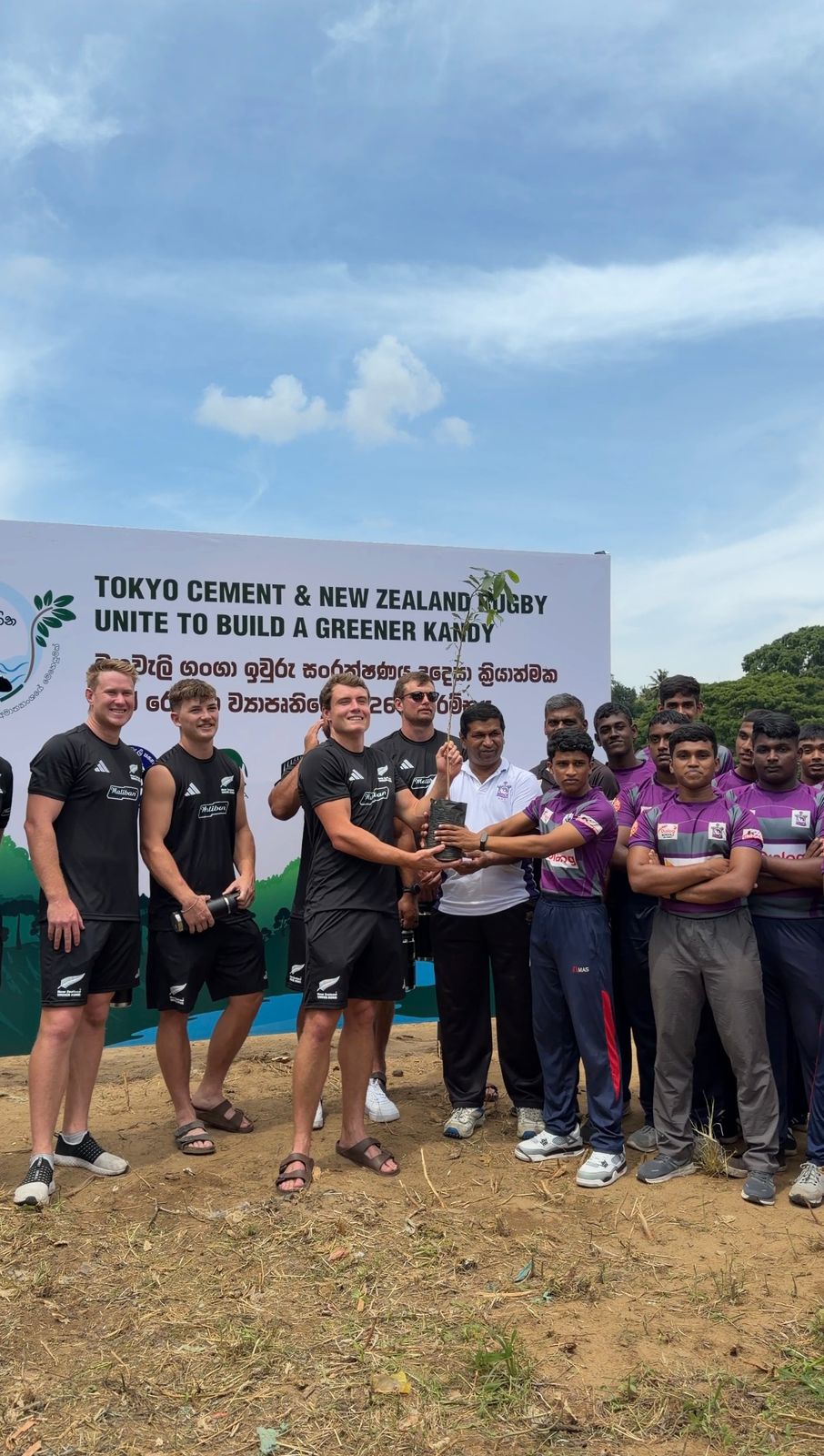
Tokyo Cement Group kicks off 2026 leg of ‘Ivuru Rakina Pawuru’ with New Zealand Rugby
Tokyo Cement Group, in collaboration with the Mahaweli Authority, launched the 2026 tree-planting season of the Ivuru Rakina Pawuru project near the Polgolla Dam in Kandy, joined by members of the touring New Zealand Under-85kg rugby team. The event reflected the sustained commitment to restoring and safeguarding the banks of the Mahaweli River, gaining international …
Tokyo Cement Group, in collaboration with the Mahaweli Authority, launched the 2026 tree-planting season of the Ivuru Rakina Pawuru project near the Polgolla Dam in Kandy, joined by members of the touring New Zealand Under-85kg rugby team. The event reflected the sustained commitment to restoring and safeguarding the banks of the Mahaweli River, gaining international recognition for its far-reaching value creation.
The event brought together officials representing the Mahaweli Authority, the Central Environment Authority, ranking officers of the Sri Lanka Rugby Federation, students from Kandy Model School in Polgolla, and residents of the surrounding community, with members of the New Zealand Under-85kg rugby team, to plant 100 Kumbuk saplings along the riverbank, highlighting a shared dedication to environmental stewardship.
Tokyo Cement Group’s Ivuru Rakina Pawuru programme partners the Ministry of Environment and Mahaweli Authority since 2017, in their concerted efforts to reforest the Mahaweli riverbanks with native species such as Kumbuk and Mee, supporting the sustainable management of vital water catchment areas.


Tokyo Cement Group sponsors the Ivuru Rakina Pawuru endeavour as part of its forest tree planting programme. The company drives the project by supplying native forest trees with medicinal value such as, Kumbuk, Karanda, Mee, and Ingini, propagated at the two Tokyo Cement Forest Tree Nurseries situated in Trincomalee and Mahiyangana. These plant varieties help restore natural biodiversity, whilst preventing soil erosion in the riverbanks. They are distributed among various community and state organizations, who use them in reforestation campaigns across the island including the Mahaweli zones.
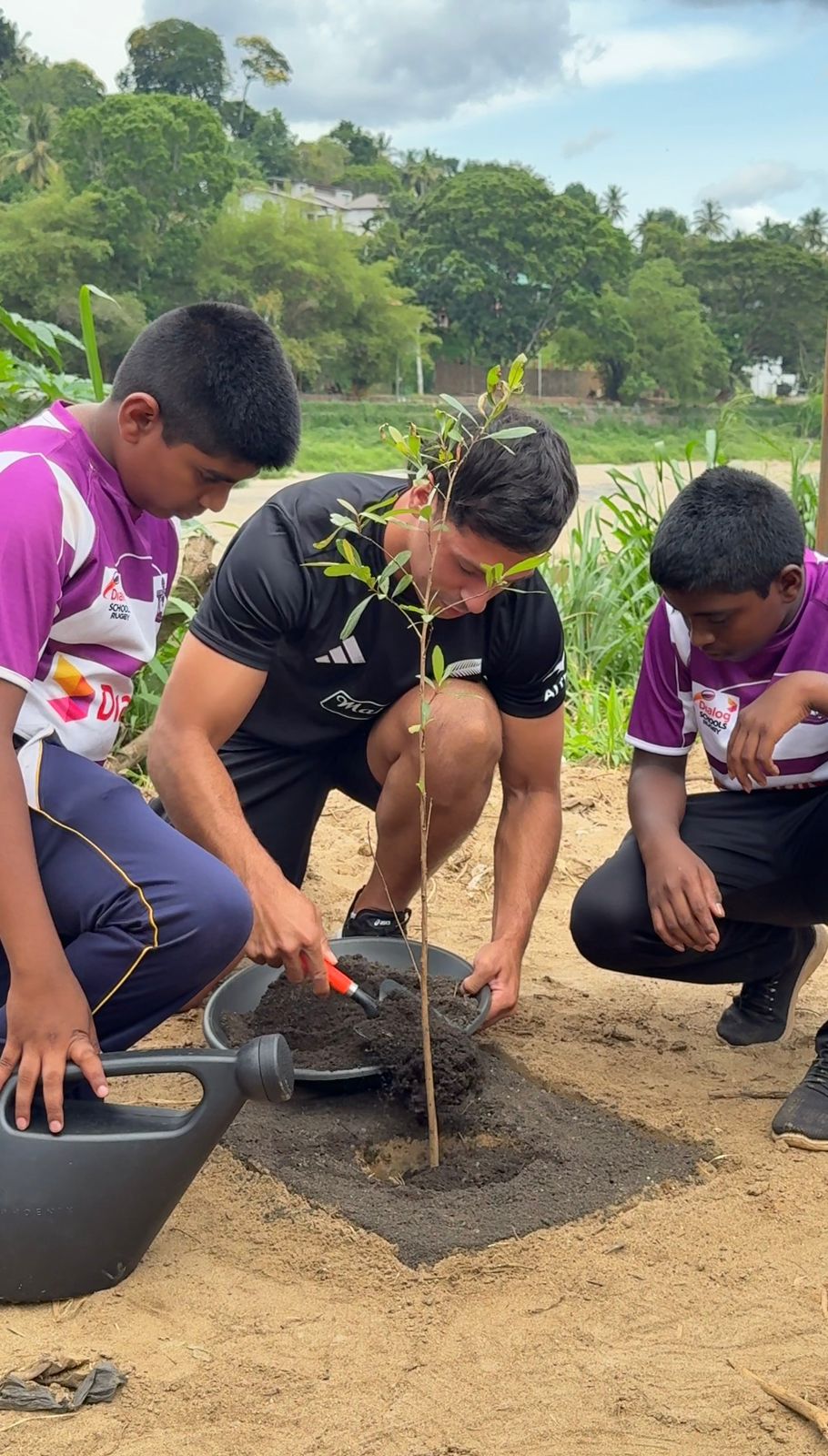

The initiative forms part of the company’s wider sustainability agenda, through which it successfully integrates social welfare and environmental conservation into its corporate DNA. As part of their continuous mission to enrich the country, its people, and the environment that is exemplified through far-reaching initiatives like these, the Tokyo Cement Group reinforces its position as the leading partner in nation-building.–


Archive
| 2017 | Jan | Feb | Mar | Apr | May | Jun | Jul | Aug | Sep | Oct | Nov | Dec |
| 2018 | Jan | Feb | Mar | Apr | May | Jun | Jul | Aug | Sep | Oct | Nov | Dec |
| 2019 | Jan | Feb | Mar | Apr | May | Jun | Jul | Aug | Sep | Oct | Nov | Dec |
| 2020 | Jan | Feb | Mar | Apr | May | Jun | Jul | Aug | Sep | Oct | Nov | Dec |
| 2021 | Jan | Feb | Mar | Apr | May | Jun | Jul | Aug | Sep | Oct | Nov | Dec |
| 2022 | Jan | Feb | Mar | Apr | May | Jun | Jul | Aug | Sep | Oct | Nov | Dec |
| 2023 | Jan | Feb | Mar | Apr | May | Jun | Jul | Aug | Sep | Oct | Nov | Dec |
| 2024 | Jan | Feb | Mar | Apr | May | Jun | Jul | Aug | Sep | Oct | Nov | Dec |
| 2025 | Jan | Feb | Mar | Apr | May | Jun | Jul | Aug | Sep | Oct | Nov | Dec |
| 2026 | Jan | Feb | Mar | Apr | May | Jun | Jul | Aug | Sep | Oct | Nov | Dec |